
WHY WE TRAVEL FOR FOOD: EXPLORING FOOD TOURISM IN PEMBERTON
And why some of the best meals are worth leaving town for.

People will travel extraordinary distances for a good meal.
They'll drive three hours for lunch, plan an entire weekend around a restaurant reservation and happily take a detour in search of a cheese, wine or truffle someone has assured them is worth the trouble.
Which, when you think about it, is slightly ridiculous.
And also completely understandable.
Because the best food experiences have never been just about what's on the plate.
They're about where you are, the people you meet, the stories behind the ingredients and the memories you take home.
It's one of the reasons food tourism and agritourism have become such interesting parts of the Australian travel experience.
And when it comes to food tourism in Pemberton, the combination of working vineyards, truffle groves, regional producers and memorable dining gives visitors plenty to discover.
What Exactly Is Food Tourism?
Food tourism, sometimes called culinary or gastronomic tourism, is travel motivated partly or primarily by the desire to experience a destination through its food and drink.
It might mean visiting a vineyard, exploring a farmers' market, joining a truffle hunt, dining at a restaurant known for regional produce or learning how a particular food is grown and made.
But there's an important distinction.
Food tourism isn't simply eating while you're travelling. We all have to do that, preferably more than once a day.
It's when the food becomes part of the reason for travelling in the first place.
And it's not only about fine dining.
A memorable experience might be a conversation with a winemaker, discovering an unfamiliar ingredient, buying produce directly from a grower or enjoying a meal that reflects the culture and character of a region.
The common thread is a genuine connection to the place and the people behind the food.
It's about tasting something of the destination itself.
From Farm to Fork: Where Agritourism Comes In
Food tourism takes on another dimension when visitors can experience the place where their food and wine actually begin.
That's where agritourism comes in.
Put simply, agritourism connects visitors with working farms, vineyards and agricultural experiences. It might involve visiting a winery, meeting the people who grow the produce, joining a seasonal harvest or discovering the work involved in producing something we usually only see on a restaurant menu.
Tourism Australia recognises agritourism as an important part of Australia's visitor economy, bringing agriculture and tourism together and giving travellers opportunities to connect with the land, producers and regional communities.
What makes agritourism particularly interesting is the opportunity to see beyond the finished product.
A glass of wine is one thing. Understanding the vineyard, the seasons, the work involved in growing grapes and the decisions that shape a vintage adds another dimension entirely.
The same goes for truffles.
They're a wonderful luxury ingredient, but they're also an agricultural product that takes years of patience, careful management and a little help from some remarkably talented noses.
At Hidden River Estate, the vineyard, winery and truffle grove are part of a working agricultural property.
The vines follow their annual cycle of growth, harvest and dormancy. The truffle grove has its own rhythm, producing black Périgord truffles during the winter season.
Through our seasonal truffle experiences, visitors can discover what goes into finding these extraordinary ingredients before enjoying them at the table.

It's a rather satisfying connection between what grows on the land and what ends up on the plate.
It also explains why visiting a working estate is different from visiting a restaurant that simply happens to have a lovely view.
The landscape isn't just the backdrop.
It's part of the story.
Food Is More Than a Side Dish to Tourism
Food and wine can be powerful reasons to choose one travel destination over another.
Tourism Australia's earlier Restaurant Australia research, conducted across 15 international tourism markets, found that 38% of respondents considered great food, wine and local cuisine a major factor influencing their holiday decisions.
Although this was historical campaign research rather than a current measure of traveller preferences, it helped demonstrate something important: food can influence where people choose to travel, not simply what they eat when they arrive.
The economic significance of regional travel is substantial, too.
Tourism WA's regional research provides a picture of visitor activity and spending across Australia's South West, highlighting the important contribution tourism makes to regional communities.
Of course, behind the statistics are real people and businesses.
A visitor who comes for lunch may also book accommodation, purchase local wine, visit a gallery, explore a national park or discover a small producer they hadn't heard of before.
One experience leads to another.
A good meal becomes a reason to stay overnight. A vineyard visit becomes an introduction to a new wine. A truffle hunt becomes a story told around another dinner table months later.
And that's where regional food tourism becomes particularly interesting.
The benefits extend beyond any single business.
Why Food Tastes Different When You Know Where It Comes From
There's something satisfying about understanding the journey an ingredient has taken before it arrives on your plate.
Perhaps the vegetables were grown nearby. The wine was made from grapes grown on the estate. The truffles came from a local grove, unearthed by a dog with a considerably better nose than the rest of us.
Suddenly, lunch has a story.
In regions like the Southern Forests, agriculture, viticulture and hospitality are closely connected.
Seasonality isn't simply a fashionable word on a menu. It determines what's growing, what's available and, in many kitchens, what's worth cooking.
Take truffles.
Part of their appeal is the extraordinary flavour, certainly, but also the knowledge that they grow underground in association with the roots of particular trees, depend on suitable growing conditions and must be harvested when they're ready.
The work involved begins long before anyone picks up a truffle shaver.
Or consider cool-climate wine.
Pemberton's climate helps shape the growing season and the character of the grapes. Choices made in the vineyard and winery then influence the finished wine.
Understanding that relationship adds another dimension to enjoying what's in your glass.

At Hidden River Estate, those connections are part of everyday life.
The vineyard needs tending whether the restaurant is busy or quiet. The truffle grove follows its own seasonal timetable, and the work involved in growing and producing wine doesn't stop when the cellar door closes.

That's the reality of a working agricultural estate.
And it's also what makes sharing the experience with visitors so rewarding.
The more you understand about the place, the more interesting the food and wine become.
And the more reasons you have to return in another season.

Food Tourism in Pemberton: Why the Southern Forests is Worth Exploring
Pemberton has a particular combination of natural beauty, agriculture and hospitality that makes it a wonderful destination for people who enjoy their food and wine.
The towering karri forests tend to get the first mention, and deservedly so.
But beyond the trees is a landscape of vineyards, orchards, farms and small communities producing an extraordinary variety of food.
The region's cool climate contributes to its wine-growing character, while the changing seasons influence the produce available throughout the year.
Winter brings its own appeal, including the region's celebrated black truffles.
Spring brings new growth and fresh seasonal ingredients.
Summer offers longer days, opportunities to explore the forests and plenty of reasons to enjoy a leisurely meal.
And autumn brings harvest activity and another change in the rhythm of the region.
There's no single best time to visit.
It depends on what you want to experience.
The Western Australia tourism guide to Pemberton is a useful starting point for exploring the town, its forests, wineries and surrounding attractions.
For those who enjoy combining food with the outdoors, the Karri Forest Explorer offers another way to discover the area's remarkable landscape.
Which means there's really no excuse to spend the entire visit indoors.
Although we might make an exception for particularly good food.
The People Behind a Regional Food Experience
It's easy to talk about regional food as though it simply appears.
Beautiful ingredients. Interesting wines. A lovely meal overlooking the countryside.
But none of it happens by accident.
Behind every regional food experience is a network of people — growers, farm workers, winemakers, chefs, producers, suppliers, hospitality teams and local businesses.
Many of these businesses depend on one another.
A restaurant may introduce visitors to a local wine. A winery may recommend somewhere to stay. An accommodation provider might suggest a favourite place for lunch. A producer might collaborate with a chef to create something neither could offer alone.
These relationships help visitors discover more of a region and create opportunities for the businesses and people who live there.
And running a hospitality business in a regional area brings its own challenges.
Finding and retaining skilled people, managing seasonal demand and maintaining consistency when resources are limited all require considerable effort.
It's another reason the people behind the experience deserve recognition.
At Hidden River Estate, our food reflects a combination of influences.
There's the produce of the Southern Forests, modern European cooking and the Middle Eastern flavours that have long been part of Ardal's approach to food.
It's not a particularly tidy culinary label, but that's rather the point.
Good food doesn't always fit neatly into one category.
What matters is the quality of the ingredients, the care taken in preparing them and the experience created for the people around the table.
And none of that would be possible without the team, producers and collaborators who contribute their skills, ideas and hard work.

Five Ways to Make More of a Regional Food Escape
If you're planning a food-focused trip, a little preparation can turn a good day out into something much more memorable.
1. Start with the season, not just the destination
Find out what's being harvested, produced or celebrated at the time of your visit.
Regional menus, agricultural activities and visitor experiences change throughout the year.
A winter truffle hunt and a summer vineyard lunch can offer two very different reasons to visit the same region.
And if you're particularly interested in visiting a working farm or experiencing a seasonal harvest, check whether those activities are available to visitors and whether bookings are required.
2. Book the experience that matters most
If there's a restaurant, tasting, food event or special celebration that prompted the trip, arrange that first.
Regional hospitality venues may have limited seating, seasonal schedules or particular opening days.
Agritourism experiences can also depend on growing conditions, harvest periods and the practical demands of working farms.
Leaving everything to chance can be adventurous.
It can also result in a very disappointing sandwich from a service station.
Book the important things, then leave room for the unexpected.
3. Make time to meet the makers
Look beyond the finished product.
Ask where the produce comes from. Talk to the winemaker. Visit a producer when public visits are offered. Find out what makes an ingredient or product distinctive to the region.
Consider experiences that let you see agriculture in action, whether that's a vineyard tour, a farm visit or a seasonal truffle hunt.
Often, these conversations become some of the most memorable parts of a trip.
4. Stay a little longer
If you're travelling several hours for a meal, consider making a weekend of it.
An overnight stay gives you time to explore without rushing from one place to the next.
In Pemberton, that might mean combining a winery lunch with a forest walk, visiting local producers, enjoying dinner and waking up with another day to discover the region.
For practical information about the destination, Australia's South West offers a useful introduction to the area.
5. Leave room for something unexpected
Some of the best discoveries are the ones you didn't plan.
A recommendation from a local, a small roadside producer, a different wine variety or a restaurant dish you wouldn't normally choose.
By all means, have an itinerary.
Just don't plan the enjoyment out of it.

Sometimes the Meal Is the Occasion
Food tourism isn't always about holidays.
Sometimes it's about finding somewhere special to celebrate.
A birthday, an anniversary, a family gathering, a Christmas lunch or the opportunity to thank a team at the end of a long year can be reason enough to travel somewhere different.
And a regional setting can turn an ordinary gathering into an experience that people remember.
That's something we particularly enjoy at Hidden River Estate.
Our working vineyard and winery, seasonal truffle experiences and restaurant bring together different aspects of life on the estate — from the land and its produce to the food, wine and hospitality we share with visitors.
It's a place where the agricultural and dining experiences belong to the same story.
We're open Wednesday to Sunday during our regular restaurant hours, with private evening functions and celebrations on other days also possible by special arrangement, subject to availability.
Whether it's a relaxed lunch, a gathering with friends or a larger end-of-year celebration, the occasion should feel right for the people attending.
And if there's one practical thing we've learned about celebrations, it's that the best dates rarely stay available forever.
If you're considering a Christmas gathering or end-of-year function, it's worth enquiring early to explore your preferred date and arrangements.
The Best Souvenirs Aren't Always Things
There's plenty to bring home from a food-focused regional escape.
A bottle of wine. A local delicacy. Something wonderful you found in a small shop along the way.
But often the things that stay with us longest aren't the things we buy.
They're the meals we remember, the people we meet, the stories we hear and the places that make us want to return.
And when you've had an opportunity to see where the wine is grown, understand how the truffles are found or meet someone who produces the food you've enjoyed, those stories become even more meaningful.
That's what makes food tourism and agritourism such a compelling combination.
They remind us that good food doesn't begin in a kitchen.
It begins with the land, the seasons and the people who work with them.
And if your travels bring you to Pemberton and the Southern Forests, we'd love to welcome you to Hidden River Estate.
Just don't be surprised if lunch turns into a very good reason to plan your next visit.
Further Reading
For those interested in exploring food tourism, agritourism and regional visitor experiences:


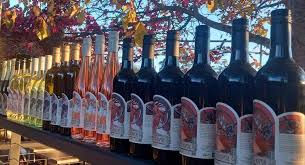
Travelling for food is a great way to make memorable experiences. I've had so many great experiences at Hidden River Estate - the food is fantastic, the Truffle Hunt Experience is excellent, that's why I make a special trip down every year - it's a 'don't miss it!' event!